Choosing between composite and wood decking is one of the most common decisions UK homeowners face when upgrading their outdoor space. Both options have their pros and cons, but the right choice depends on your budget, maintenance preferences, and how you plan to use your garden.
What Is Composite Decking?
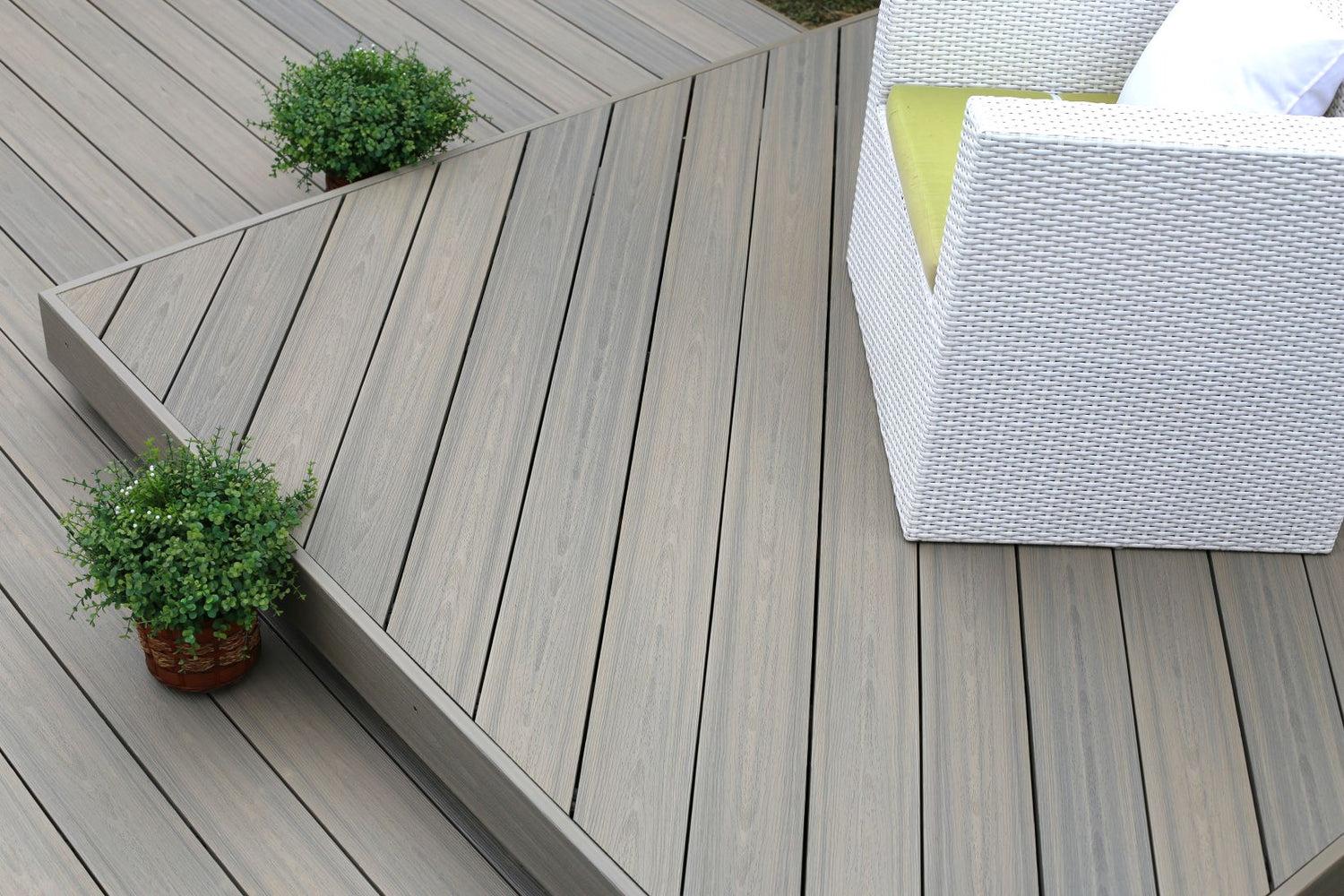
Composite decking is made from a blend of recycled plastic and wood fibres. It’s designed to mimic the look of natural timber while offering improved durability and lower maintenance.
What Is Wood Decking?
Wood decking (often called timber decking) is typically made from softwood like pine or hardwoods such as oak or teak. It offers a natural appearance that many homeowners prefer.
Cost Comparison (UK)
Composite decking:
- £80–£130 per m² installed
Wood decking:
- £50–£100 per m² installed
At first glance, wood decking is cheaper. However, long-term costs tell a different story.
Maintenance Requirements
Composite decking:
- Requires occasional cleaning (soap and water)
- No staining, sealing, or painting needed
Wood decking:
- Needs regular staining or sealing (every 1–2 years)
- Prone to rot, algae, and weather damage
In the UK’s damp climate, maintenance is a major factor. Timber decking can become slippery and deteriorate faster without proper care.
Lifespan and Durability
Composite decking:
- Typically lasts 20–30 years
- Resistant to rot, insects, and moisture
Wood decking:
- Softwood: 10–15 years
- Hardwood: 15–25 years (with maintenance)
Composite decking tends to last longer, especially in wet or shaded gardens where moisture is an issue.
Appearance and Feel
Wood decking offers a natural, warm look that many people love. It can be stained in different colours and ages beautifully over time.
Composite decking has improved significantly in recent years and now comes in a range of realistic finishes, but some homeowners still feel it looks slightly artificial up close.
Safety and Slip Resistance
In the UK, slippery decking is a real concern.
- Composite decking often includes anti-slip textures
- Wood decking can become slippery due to algae and moss
If safety is a priority (especially for families or older homeowners), composite has an advantage.
Environmental Impact
Composite decking is often made from recycled materials, which can make it a more eco-friendly option.
However, sustainably sourced timber (FSC-certified) is also a strong environmental choice, especially if you prefer natural materials.
Which Is Better for UK Gardens?
Choose composite decking if:
- You want low maintenance
- Your garden is shaded or damp
- You plan to stay in your home long-term
Choose wood decking if:
- You prefer a natural look and feel
- You’re on a tighter budget
- You don’t mind regular maintenance
Final Verdict
For most UK homeowners, composite decking offers better long-term value due to its durability and low maintenance requirements. While the upfront cost is higher, the savings on upkeep and longer lifespan often make it the more cost-effective choice over time.
That said, wood decking still has its place, particularly for those who prioritise aesthetics and are willing to invest time in maintenance.